

CPA & Accounting Services for Doctors & Physicians
Accounting support for physicians, medical practices and professional corporations
Physician accounting can involve more than recording practice revenue and expenses. Depending on how you practise, your financial picture may include professional corporation accounting, clinical income, practice expenses, payroll, personal tax obligations and other business activities. Shami CPA helps bring these areas together through practical accounting, tax and financial reporting support.
A physician’s financial activity can span both professional practice operations and personal financial obligations.
A doctor may receive income from clinical services while also managing a clinic, paying staff, purchasing medical equipment, maintaining professional memberships, paying rent and technology costs, working with associates or locums, or operating through a professional corporation where permitted.
That creates accounting questions that are more specific than simply tracking business income and expenses.
For example, the accounting structure may need to distinguish between:
- Professional practice revenue
- Other business or clinic revenue
- Practice operating expenses
- Employee payroll
- Professional and regulatory costs
- Medical equipment and other capital purchases
- Corporate transactions
- Owner compensation
- Personal income and expenses
- Amounts moving between the physician and the corporation
For incorporated physicians, the corporation also creates a separate legal and tax reporting structure. The CRA recognizes a professional corporation as a corporation carrying on the professional practice of, among others, a medical doctor. Resident corporations generally have T2 corporate income tax filing obligations.
This is why physician accounting should be built around the actual practice structure and flow of money, rather than treating the practice like a generic small business.
Why Accounting Is Different for Doctors & Physicians
Overview
Accounting Support for Different Types of Physicians
- Cross-Border Relationship:
- Mississauga CPA Practice
- US-Canada Taxes
who we help with
01
Physicians in Private Practice
Physicians operating their own practice may need bookkeeping, tax preparation, financial reporting and support for tracking professional revenue and practice expenses.
02
Incorporated Physicians
Physicians practising through a professional corporation may need corporate bookkeeping and tax reporting alongside their personal tax affairs. The corporation and the physician should be accounted for separately while considering how the two financial pictures interact.
03
Family Physicians & Specialists
Different practice models can produce different revenue streams, operating costs and administrative arrangements. Accounting support should reflect how the physician actually earns income and operates the practice.
04
Physicians Operating Clinics
Doctors who own or operate a clinic may have financial activity beyond their own professional services, including staff payroll, premises, equipment, administrative costs and other business transactions.
05
Physicians With Multiple Income Sources
A physician may have professional income alongside employment income, locum work, investment income, rental income or other activities. These situations can require a broader view of both business and personal tax reporting.
06
Physicians With Cross-Border Activities
Physicians who live, practise, invest or conduct professional activities across Canada and the United States may require accounting and tax coordination that considers both jurisdictions. The applicable treatment depends on the individual’s residency, income sources, structure and circumstances.
Audience Index
Professional Categories
Where Physician Accounting Can Become Complex
Keeping Professional and Personal Finances Properly Separated
01
Physicians may have significant financial activity flowing between personal accounts, practice accounts and, where applicable, a professional corporation.
Why it matters:
When transactions are not properly classified, it becomes harder to determine the corporation’s actual financial position and prepare accurate tax filings.
Accounting implication:
Business and personal transactions need to be identified, recorded and reconciled appropriately, with shareholder or owner transactions properly reflected where applicable.
Understanding GST/HST Treatment
06
GST/HST treatment can be particularly important for medical practices because the tax treatment depends on the nature of the supply.
Most health, medical and dental services performed by licensed physicians for medical reasons are exempt from GST/HST. CRA guidance also explains that businesses making only exempt supplies generally do not charge GST/HST and generally cannot claim input tax credits on purchases used to make those exempt supplies.
Why it matters:
A medical practice may have activities that require analysis beyond simply assuming every transaction has the same GST/HST treatment.
Accounting implication:
The nature of the services and other supplies should be reviewed when determining GST/HST treatment, registration considerations and the treatment of related expenses.
Managing Professional Corporation Accounting
02
An incorporated physician has accounting requirements that differ from an individual practising personally.
Why it matters:
The corporation is a separate taxpayer and has its own financial records and corporate tax filing obligations. The CRA specifically identifies medical doctors among professionals who may operate through professional corporations.
Accounting implication:
Corporate revenue, expenses, assets, liabilities and transactions involving the physician need to be properly recorded and reflected in the corporation’s financial reporting and tax return.
Tracking Practice Expenses Correctly
03
Medical practices can have a broad range of expenses, including premises, staff, professional dues, software, supplies, equipment, insurance and other operating costs.
Why it matters:
The accounting records should show what the practice is actually spending money on and provide appropriate documentation for tax reporting.
Accounting implication:
Expenses should be categorized consistently, supported by records and distinguished from personal expenditures. CRA guidance emphasizes maintaining records supporting business income and expense claims.
Managing Physician Compensation and Corporate Transactions
04
For incorporated physicians, decisions involving money retained in the corporation and amounts paid to the physician can affect both corporate and personal financial reporting.
Why it matters:
The financial position of the corporation and the physician’s personal tax situation are connected.
Accounting implication:
Compensation and other transactions should be recorded accurately and considered as part of broader tax planning rather than treated as isolated bookkeeping entries.
Payroll for Medical Practices
05
A physician who operates a clinic may have employees performing administrative, clinical-support or other functions.
Why it matters:
Payroll creates recurring accounting activity beyond the physician’s own professional income.
Accounting implication:
Payroll records, employee compensation, remittances and year-end reporting need to be incorporated into the practice’s accounting process.
Accounting & Tax Support for Doctors & Physicians
Bookkeeping & Accounting
Physician practices can generate substantial transaction activity across professional revenue, operating expenses, payroll, equipment and owner-related transactions.
Financial activity is organized into accounting records that can support tax preparation, financial reporting and ongoing business decisions.
Relevant service: Bookkeeping & Accounting
Corporate Tax Return
An incorporated physician has a corporate entity with its own tax reporting responsibilities.
Corporate financial information can be organized for preparation of the corporation’s T2 income tax return. Resident corporations generally have to file a T2 return even when no tax is payable.
Relevant service: Corporate Tax Return
Personal Tax Return
A physician’s personal tax position may involve professional income, corporate compensation and other personal income sources.
Personal tax reporting is considered alongside the physician’s broader financial circumstances rather than viewed independently from the professional practice.
Relevant service: Personal Tax Return
Financial Statements
A physician operating a practice or clinic needs financial information that goes beyond a bank balance.
Financial statements can provide a structured view of revenue, expenses, assets, liabilities and the overall financial position of the practice.
Relevant service: Financial Statements
Payroll
Clinic owners may have employees whose compensation creates recurring payroll accounting and remittance responsibilities.
Payroll activity becomes part of a more organized accounting process rather than remaining separate from the practice’s financial records.
Relevant service: Payroll
HST/GST
Medical services and other practice activities may not all receive identical GST/HST treatment.
The practice can review the GST/HST treatment applicable to its particular activities rather than assuming all medical-related revenue and expenses follow one rule.
Relevant service: HST/GST
Your Finances Are Different When You’re a Physicians
Professional Corporation Structure
A professional corporation creates a distinct corporate accounting and tax environment for an incorporated physician. The structure and tax treatment depend on applicable provincial rules and the physician’s circumstances.
CRA’s T2 guidance recognizes professional corporations carrying on the practice of medical doctors and states that professional corporations are not permitted to use billed-basis accounting. Accurate financial records are therefore important for corporate accounts and tax filings.
Medical Equipment & Capital Purchases
Medical equipment and other significant purchases may require different accounting and tax treatment from ordinary operating expenses.
Maintaining proper records of major purchases helps support accurate financial reporting and tax preparation.
Practice Revenue
Medical practices can receive revenue through different arrangements depending on the physician’s specialty, province, practice model and contractual relationships.
Accounting should distinguish professional and other business revenue so the financial records accurately reflect how the practice generates income.
Practice Expenses
Medical practices may have costs related to premises, staff, professional memberships, insurance, medical and office supplies, software, equipment and professional services.
The key is not simply recording what was spent, but maintaining records that clearly show what each expenditure was for and how it relates to the practice. CRA generally requires business expenses to be supported by appropriate records and documentation.
Corporate & Personal Tax Coordination
A physician’s corporate and personal financial situations can be closely connected.
Corporate income, compensation, personal income and other financial activities should be considered together where appropriate. This does not mean every physician requires the same tax or compensation strategy; it means accurate accounting information should support informed decisions.
Physician Compensation
For an incorporated physician, compensation decisions can affect both the corporation and the physician personally.
Compensation should therefore be considered within the broader corporate and personal financial picture. The appropriate approach depends on the physician’s circumstances, corporate structure, income and objectives.
Cross-Border Activities
Some physicians may have professional or financial connections to both Canada and the United States, including cross-border work, income sources, investments or changes in residency.
These situations can create additional tax considerations and should be evaluated based on residency, income sources, corporate structure and the applicable rules rather than assuming Canadian and U.S. tax treatment is interchangeable.
GST/HST
Physicians should not assume every activity of a medical practice receives the same GST/HST treatment.
CRA identifies most health, medical and dental services performed by licensed physicians for medical reasons as exempt supplies. However, a practice may have other activities or supplies requiring separate consideration.
GST/HST treatment should therefore be based on what the practice actually supplies rather than simply on the fact that the owner is a physician.

Why SHAMICPA
Your Patients Need You. Your Finance Need Us
Corporate & Personal Accounting Considered Together
For incorporated physicians, the financial picture does not stop at the practice or professional corporation. Corporate income, physician compensation and personal tax considerations can be closely connected. Shami CPA’s accounting and tax services can be coordinated across these areas so the physician’s financial records are considered as part of the broader picture.
Support Across the Financial Needs of a Medical Practice
A physician’s accounting needs can extend from practice bookkeeping and financial statements to corporate tax, personal tax, payroll, GST/HST and tax planning. Shami CPA brings these related accounting needs together so the financial information from the practice can support the physician’s broader tax and reporting requirements.
Relevant Support for Physicians With Cross-Border Financial Activity
Physicians with U.S. income, cross-border professional activities, changing residency or other Canada-U.S. financial connections may face additional tax considerations. Shami CPA can provide relevant Canadian and U.S. accounting and tax support where applicable, with the specific treatment determined by the physician’s circumstances.
LET'S TALK ABOUT YOUR SITUATION
Tell Us About Your Situation
Have a question about your Your Tax Return? Send us a few details and our team can help you determine the appropriate next step.
Let's Bring Your Medical Practice Accounting Into Focus
Your accounting should reflect how your medical practice actually operates from professional revenue and practice expenses to corporate accounting, payroll and personal tax considerations.
Talk to Shami CPA about your physician accounting and tax needs.
Discuss Your Physician Accounting Needs
Related Healthcare & Professional Industries

Dentists & Dental Practices
Similar professional-practice accounting considerations can arise around practice revenue, operating expenses, staff and professional corporations.
Explore Dentists & Dental Practices
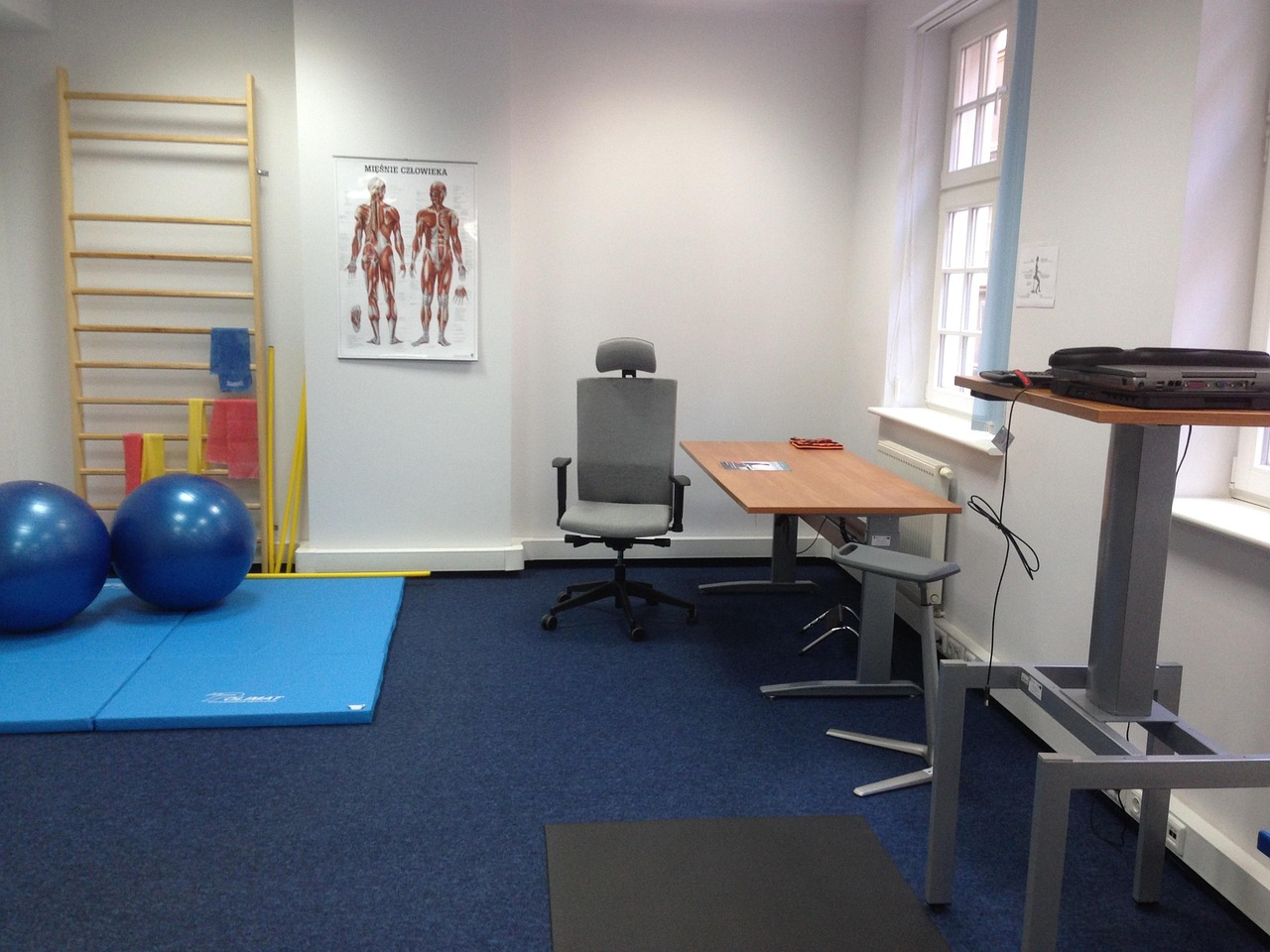
Physiotherapists
Independent and clinic-based physiotherapy practices can require bookkeeping, tax, payroll and financial reporting support.
Explore Physiotherapists

Medical Clinics
Clinic owners may have broader business accounting requirements involving employees, premises, equipment and multiple sources of revenue.
Explore Medical Clinics

Healthcare Professionals
A broader healthcare industry page can connect physicians with other healthcare-focused accounting resources.
Explore Healthcare Professionals